
An interior architecture project typically involves around ten trades, generates technical decisions at each phase, and faces regulatory constraints that evolve year by year. Measuring what distinguishes a tailored support from a standardized service requires comparing management methods, expenditure items, and actual risk of deviation. This is precisely what this article examines, supported by data.
Site Coordination and Energy Performance: The Blind Spot of Development Projects
Most content on interior architecture describes a linear sequence, from idea to delivery. They overlook a factor that has been redefining project management for several years: the obligation for energy renovation weighs on every interior decision.
Since 2025, homes rated G can no longer be rented out. In practical terms, a property owner wishing to rethink the layout of an old apartment must incorporate insulation, ventilation, and thermal performance considerations from the design stage. An interior architect who ignores these constraints exposes their client to additional work or non-compliant property.
The role of coordination then takes on a strong technical dimension. The interior architect does not simply propose plans and materials: they must synchronize insulation interventions with the electrical lot, anticipate the thickness of linings on usable surfaces, and verify the compatibility of decoration choices with ventilation requirements. Professionals specialized in this comprehensive support are listed on https://archi-line.fr/, where the project logic incorporates these dimensions from the very first exchange.
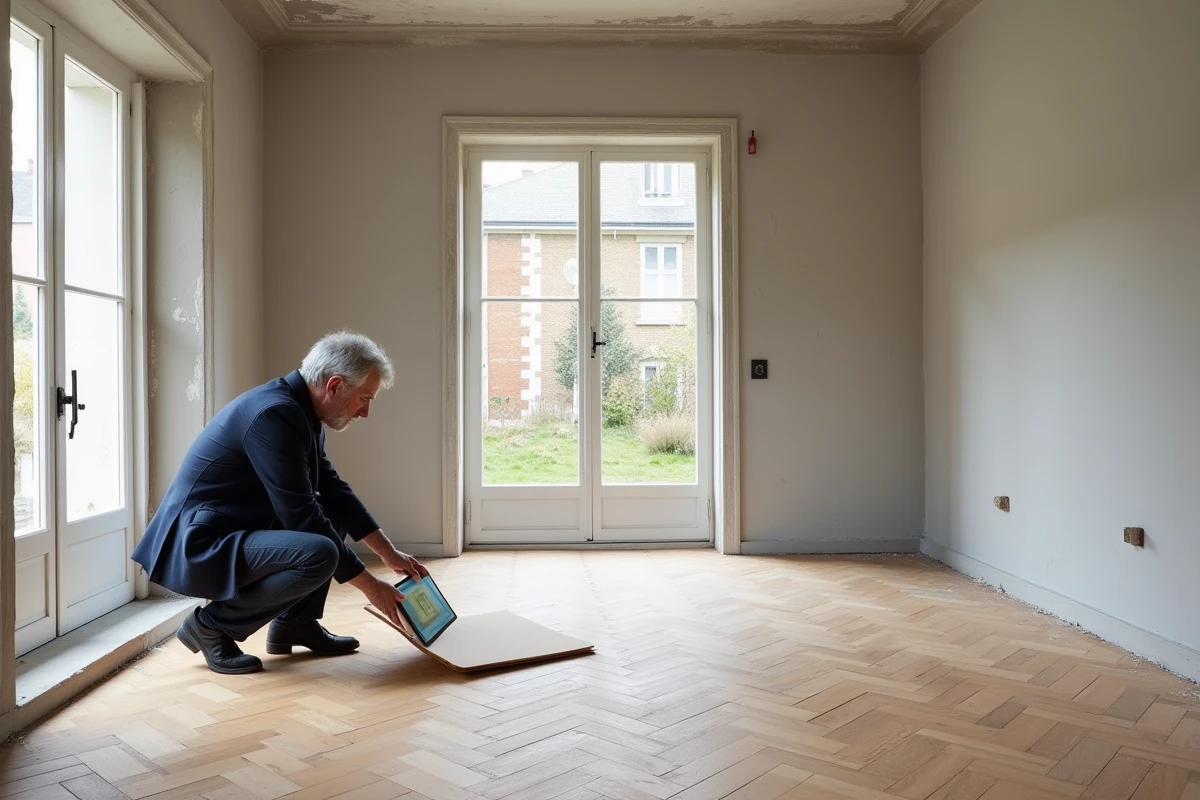
Custom Support or Flat-Rate Service: Comparative Table of the Two Approaches
To clarify what a personalized support in interior architecture truly encompasses, here is a structured comparison of the two common models.
| Criterion | Flat-Rate Service | Custom Support |
|---|---|---|
| Initial Diagnosis | Standard measurement survey, template questionnaire | Analysis of existing structure, regulatory constraints, client’s lifestyle |
| Plan Design | Proposals based on pre-established templates | Specific sketches, iterations with the client at each phase |
| Material Selection | Predefined range from partner suppliers | Sourcing tailored to budget, thermal, and aesthetic constraints |
| Site Monitoring | Occasional visits, minimal reporting | Regular presence, real-time decision-making with craftsmen |
| Budget Management | Global quote, little room for adjustment | Itemized breakdown, alerts in case of deviation |
| Consideration of Energy Renovation | Rarely integrated into the scope | Coordination with insulation and ventilation lots |
The most significant gap lies in site monitoring and budget management. Regular site monitoring reduces rework and delays. In a flat-rate service, the client bears the risks alone once the plans are delivered.
Craftsmen and Trades: Where Support Changes the Game
An interior renovation project involves drywall installers, electricians, plumbers, carpenters, painters, and sometimes tilers and kitchen designers. The value of an interior architect lies not in drawing a plan, but in their ability to secure scheduling, technical decisions, and execution monitoring.
Without centralized coordination, each trade operates according to its own schedule. Scheduling conflicts between the plumbing and tiling trades, for example, create waiting times that impact the overall duration of the project and the final bill.
Budget of an Interior Architecture Project: Items That Quotes Do Not Detail
The budget is the primary source of tension in a development project. Standard quotes often present a total amount that obscures the actual distribution of costs.
Three items deserve special attention:
- Preliminary technical studies (structural diagnosis, asbestos detection, energy audit) represent an initial investment that some flat rates do not include, but which conditions the reliability of the overall estimate.
- Finishing materials (floor coverings, hardware, lighting) vary significantly depending on the level of finish. Custom support allows for itemization of this category and decision-making between aesthetics and available budget.
- Unexpected issues during construction, related to the actual condition of the structure discovered after removal, can represent a significant portion of the total budget. An experienced interior architect provisions for this risk from the design phase.

Renovation and Decoration: Two Distinct Budget Logics
A purely decorative project (furniture, textiles, lighting) operates on a purchasing logic. An interior renovation project, which involves walls, networks, or floors, operates on a construction logic with technical uncertainties.
Confusing the two leads to underestimating the budget. A good specifications document clearly separates decoration lots from construction lots, with distinct budgets and appropriate safety margins.
Criteria for Choosing an Interior Architect Suitable for Your Project
Choosing a professional goes beyond merely consulting a portfolio. Several operational criteria allow for evaluating the relevance of support.
- The ability to produce a complete technical file (execution plans, joinery details, layouts) and not just mood boards.
- The existence of a network of qualified craftsmen, verifiable through references from recent projects within a coherent geographical area.
- Transparency regarding the remuneration method: percentage of the work amount, flat fees, or hourly rates. Each model has implications for the alignment of interests between the professional and the client.
- Explicit responsibility for site monitoring, with a defined number of visits contractually and a written report after each intervention.
On the other hand, an interior architect who only offers 3D visuals without a technical file leaves the client responsible for translating an aesthetic intention into actionable instructions for the craftsmen. This transfer of responsibility is rarely anticipated.
The most reliable criterion remains the reading of the mission contract. A document that details the deliverables at each stage, associated deadlines, and budget revision conditions protects both parties. A vague contract regarding the mission scope is the primary factor for budget deviation in an interior development project.