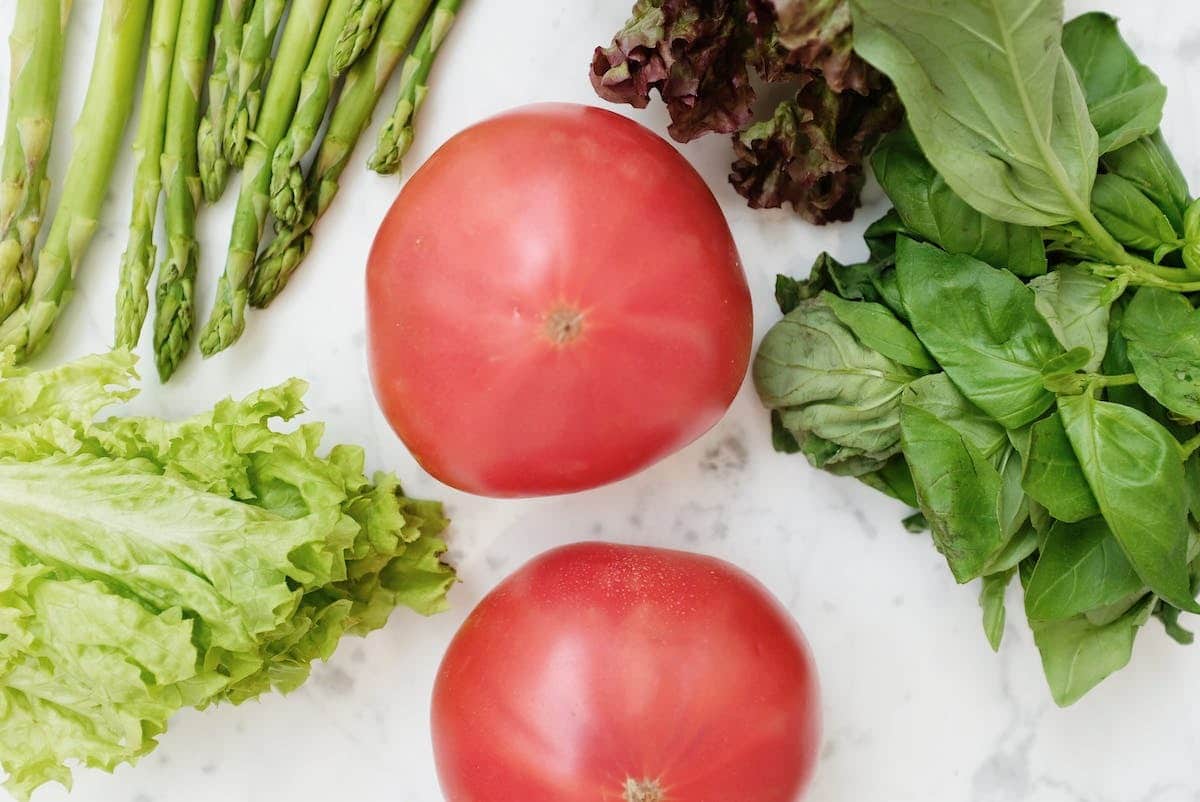
Imbued with a unique flavor and an intoxicating aroma, basil is the star ingredient in many dishes. Whether used fresh or dried, it retains its aromatic properties that elevate cuisine. But how do you go about drying basil? What techniques and tips can you use to do it correctly and enjoy it all year round? Let’s dive into the world of basil drying, from harvesting to storage, including the different drying methods. An exploration that will give you the keys to successfully drying basil to perfection.
Basil: An Essential Culinary and Health Ally
Basil, this little Mediterranean marvel with its enchanting scent, is a cornerstone of our kitchens. But did you know that dried basil not only preserves its aromas throughout the year but also offers numerous health benefits? Thus, knowing ‘how to dry basil’ becomes a valuable asset.
The traditional technique for drying basil is simple: after harvesting stems generously adorned with healthy leaves directly from your green space or your favorite local producer, tie them together to form a bouquet. Then hang this bouquet upside down in a dry, ventilated place; this promotes the natural evaporation process over a period of about two weeks.
If you’re looking to dry basil more quickly: utilize your home oven or opt for a food dehydrator if you have one. The idea remains the same: eliminate any trace of moisture without compromising the taste or nutritional properties of the leaves.
Once your leaves have transformed into a crispy texture—sign that they have dried perfectly—store them meticulously in airtight containers to maintain their flavor and properties intact until use.
Knowing how to dry basil also has several health benefits. Full of antioxidants, dried basil helps boost our immune system. It is an impressive source of vitamins A and K as well as essential minerals like magnesium and calcium.
Mastering the art of how to dry basil will not only enhance the flavor of your dishes but also provide vital nutritional support to your body.
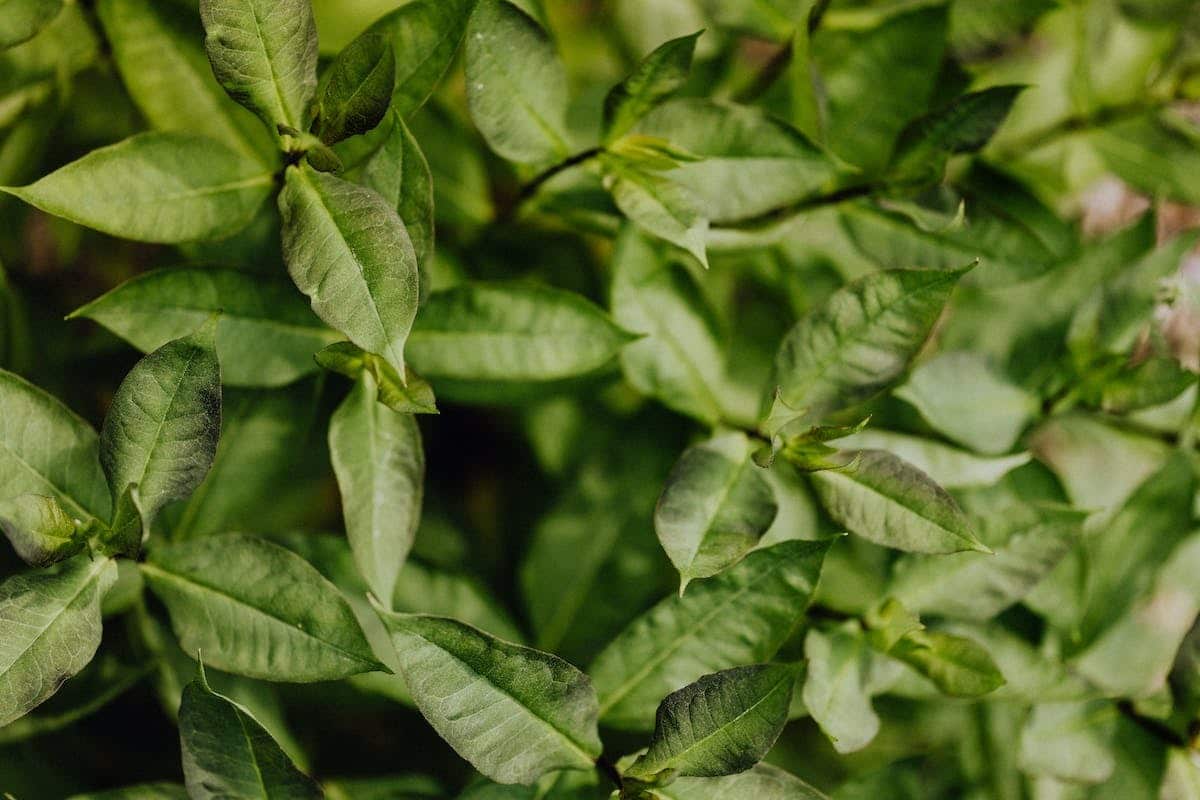
Basil Drying: A Simple and Natural Method to Discover
In the realm of basil drying, a tried-and-true technique is air drying. This traditional method involves allowing basil leaves to dehydrate naturally, without using any electrical or mechanical devices.
The air drying method has several advantages. It maximally preserves the aromas and characteristic flavors of fresh basil. Indeed, by using gentle and natural methods like this, one avoids any alteration or loss of taste quality.
To carry out an effective air drying, here are some key steps to follow:
• Harvest your basil: choose dark green, healthy leaves for optimal results.
• Thoroughly clean your leaves: gently remove any impurities such as dust or possible residual pesticides by rinsing them lightly under cold water.
• Prepare your drying space: find a dry, warm, and well-ventilated place where you can hang your basil branches upside down for the duration of the process (about 10 days).
• Gather your basil stems into small bundles and tie them together with sturdy string.
• Hang your bundles in your drying space, ensuring they are spaced apart to promote good air circulation.
• Patience and observation: regularly check the progress of the drying by gently touching the leaves. When they are completely dry and crumbly, it’s a sign that your basil is ready to be used or stored in an airtight jar.
The air drying method may take longer than other methods, but it yields a superior quality result. This technique requires no additional financial investment as it can be done with simple and accessible means.
It is important to note a few precautions to take when air drying. Ensure that your leaves are perfectly clean before starting the process to avoid any bacterial or fungal contamination.
Dried Basil: The Oven as a Practical and Quick Option
Another popular method for drying basil is the use of the oven. This technique has the advantage of significantly reducing drying time compared to air drying.
To start, preheat your oven to a low temperature, ideally around 50°C. Ensure that the heat is uniform by placing a thermometer in the oven. Then prepare your basil leaves by gently rinsing them and removing any moisture with a clean towel.
Next, arrange your leaves on a rack or a baking sheet lined with parchment paper to prevent sticking. Make sure they are well spaced to allow for good circulation of hot air. Place the rack or sheet in the middle of the oven and let them dry for about 1 to 2 hours, depending on the thickness of the leaves.
During the process, keep an eye on your leaves to avoid overcooking or burning. You can check their condition every 30 minutes by lightly touching the leaves with your fingertips. When they are completely dry and crumbly, it’s a sign that your basil is ready.
Once the time is up, remove the leaves from the oven and let them cool completely before handling or storing them. One tip is also to place a moisture-absorbing packet (like those used to absorb moisture in medicine boxes) next to the leaves to absorb any residual moisture.
It should be noted that oven drying may slightly alter the color and aromatic intensity of the basil compared to air drying. This method remains very practical and allows for satisfactory results in a relatively short time.
Whether you choose air drying or oven drying, you must take care of your basil throughout the process to preserve its taste and nutritional qualities. The choice between these two methods will mainly depend on your time constraints and preferences regarding aromas. In any case, once your basil is dried, you will have a flavorful herb that will keep for several months if stored properly in an airtight container away from light and moisture.
Food Dehydrator: An Effective Alternative for Drying Basil
Another effective way to dry basil is to use a food dehydrator. This device specifically designed for food drying allows you to remove moisture while preserving the flavors and nutrients of the basil.
To start, ensure that your dehydrator is clean and in good working order. Thoroughly wash your basil leaves and remove any traces of water by patting them dry with a clean towel.
Then arrange the leaves on the dehydrator trays, making sure they do not overlap to promote good circulation of hot air. Set the dehydrator temperature between 35°C and 45°C, ideally around 40°C, to best preserve the color and flavor of the basil.
Let the dehydrator do its job for about 4 to 6 hours. During this time, avoid constantly opening the device to maintain a constant temperature. However, you can regularly check the condition of the leaves to ensure they are dry but still pliable to the touch.
Once the allotted time has passed, turn off the dehydrator and let the leaves cool before handling or storing them.
Tips for Storing and Enhancing Dried Basil
Now that you have successfully dried your basil, it’s important to know how to store and use it correctly. Here are some practical tips that will help you maximize the flavor and aroma of your dried basil.
Once the basil is completely dry, be sure to store it properly. To do this, transfer the leaves into airtight glass jars. Ensure that the jars are clean and dry before placing the basil inside to avoid any mold or premature deterioration of the product.
To best preserve the quality of dried basil, keep it in a cool, dark place. Heat and light can alter its delicate aromas. A cool room like a cupboard or cellar is perfect.
Be sure to note when to renew your supply. Generally, dried basil can be stored for up to a year while retaining much of its original flavor.
Now that you have properly stored your dried basil, it’s time to use it in your favorite recipes. The pronounced taste of dried basil pairs particularly well with hot dishes such as pasta, pizza, or homemade tomato sauces.
Before use, feel free to crush your basil leaves lightly between your hands to release their aromas. You can also add them directly to your culinary preparations without needing to rehydrate them beforehand.
It’s important to note that dried basil has a more intense flavor than fresh basil. Therefore, it is recommended to use it sparingly to avoid overwhelming your dishes with flavors.
Drying basil is a simple and effective method to extend the shelf life of this aromatic herb. By following these storage and usage tips, you can fully enjoy the aromas of dried basil throughout the year in your favorite recipes.