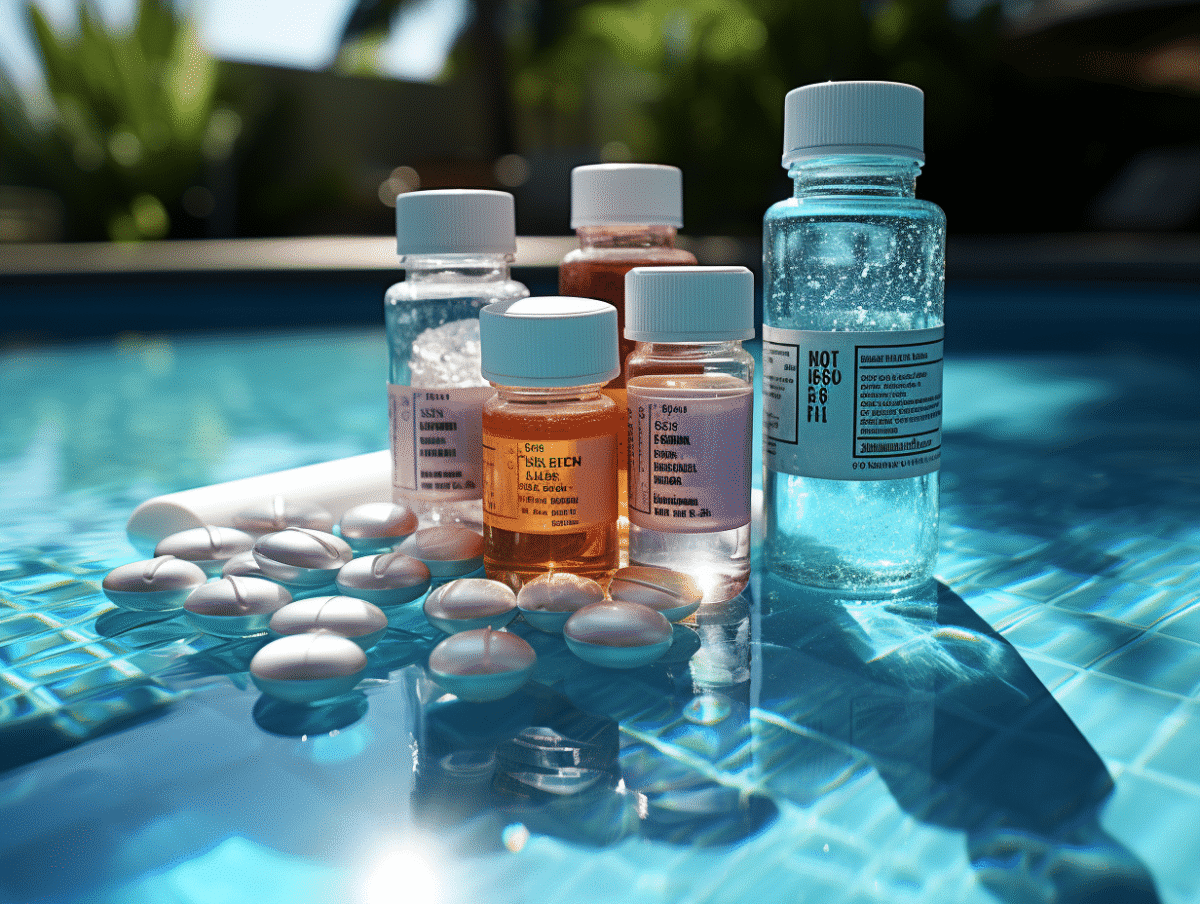
Maintaining the chemical balance of a pool is essential to ensure clean and clear water. This delicate balance depends on several factors, such as pH, total alkalinity, calcium hardness, and the presence of disinfectants like chlorine. Inappropriate levels can lead to cloudy water, damage equipment, and make swimming unpleasant or even dangerous to health. Fortunately, there are proven methods to regularly test the water and adjust its chemical composition. Following these tips and tricks will allow you to enjoy a pristine pool throughout the season.
The Fundamentals for Optimal Chemical Balance of Your Pool
Every pool owner knows that the clarity and purity of the pool water reflect its maintenance. Understanding the fundamental parameters such as pH, TAC (Total Alkalinity) and TH (Total Hardness) is essential. The pH, measuring the concentration of hydrogen ions, should ideally be between 7.2 and 7.6 to ensure the comfort of swimmers and the effectiveness of disinfectants. But what to do if the pool’s pH is 6.8? This excessive acidity can cause irritation to the eyes and skin, as well as corrosion of equipment. Adding alkaline products, such as baking soda, will help rebalance the pH.
Beyond pH, TAC is an indicator of the water’s buffering capacity, which helps stabilize pH against fluctuations. The ideal TAC is between 80 and 120 mg/L. If the TAC is too low, the water is prone to rapid pH fluctuations, making the chemical balance unstable. To increase TAC, the use of sodium carbonate is recommended.
Finally, TH measures the hardness of the water, meaning its content of calcium and magnesium ions. Water that is too hard can cause limescale deposits, while water that is too soft can corrode equipment. TH should be maintained between 100 and 300 mg/L. Adjusting the hardness of the water requires either adding limestone or using a softening product depending on whether the TH is respectively low or high. Monitoring and adjusting these three parameters is essential to maintain the chemical balance and water quality of your pool.

Advanced Strategies and Practical Tips for Maintaining Healthy Pool Water
The wise use of stabilizers, such as cyanuric acid, is essential to limit chlorine evaporation due to UV effects. This stabilizing agent, often included in chlorine formulations, helps maintain an effective concentration of disinfectant, thereby prolonging its action. However, be careful not to overdose, as excess cyanuric acid can reduce chlorine’s effectiveness. Regularly test the stabilizer level and keep it within the range of 30 to 50 ppm (parts per million).
Regarding phosphates, these nutrients promote the proliferation of algae, the enemies of any healthy water. Their presence often results from contamination by the external environment. Therefore, regular monitoring is necessary, accompanied by anti-phosphate treatment if needed, to deprive these microorganisms of their food source and preserve the clarity of your pool.
For an accurate analysis of the chemical balance, the Taylor balance is an essential tool. This method, which allows for precise measurement of the various chemical parameters of the water, is a reference for professionals and knowledgeable enthusiasts. The accuracy of your measurements determines the relevance of the adjustments to be made, thus ensuring balanced and pleasant water for swimming.
The brand Piscines Ibiza recommends maintaining the water pH between 7.2 and 7.4 for optimal disinfectant efficiency and maximum swimmer comfort. Maintaining your pool also involves an efficient filtration system, which should operate every day for at least half the duration of a day. Remember that chemical treatment complements mechanical filtration; together, they are the key to healthy and clear water.