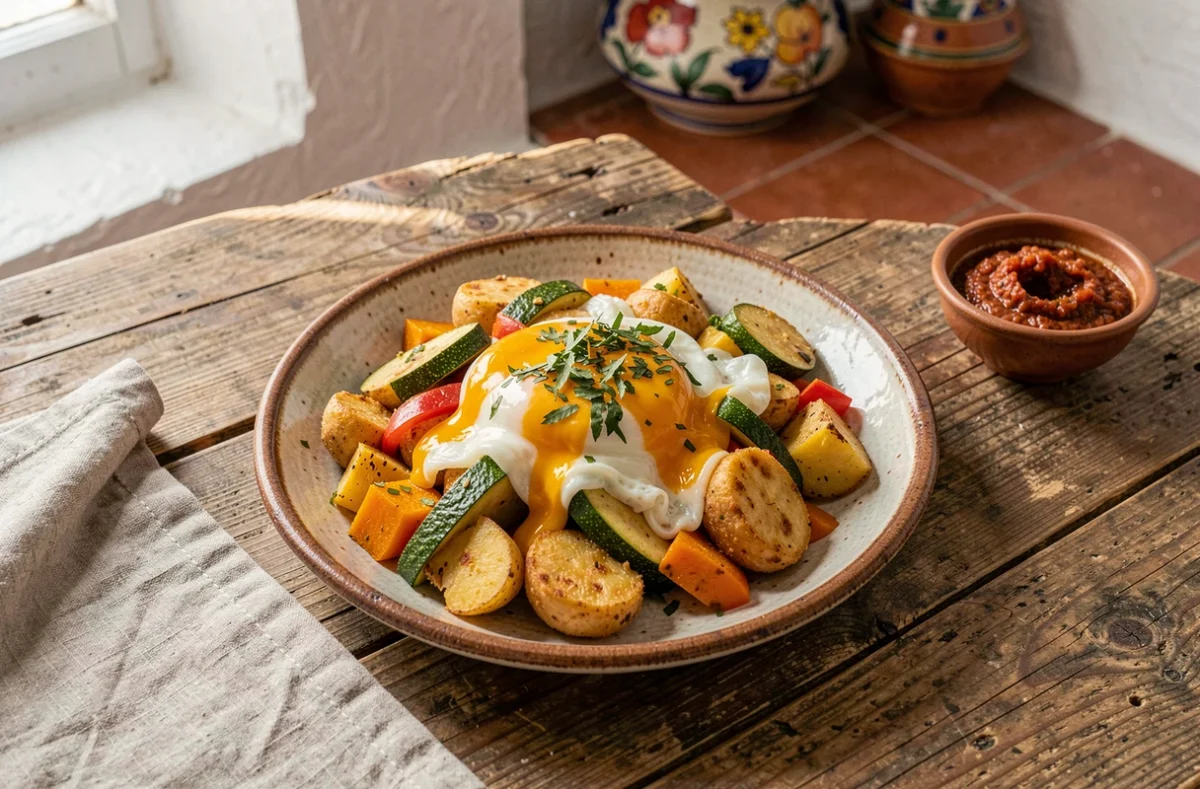
On the counter of a Tunisian eatery, the kafteji arrives hot, colorful, accompanied by bread and a drizzle of olive oil. It’s ordered because it’s quick, hearty, and inexpensive. The question of whether this popular dish is truly healthy deserves a closer look at what happens in the pan, not just on the plate.
Fried vegetables and the nutritional balance of kafteji: what frying really changes
The kafteji is based on a foundation of various vegetables: peppers, zucchini, pumpkin, tomatoes, and sometimes eggplant. Each of these ingredients provides fiber, vitamins, and minerals. On paper, we are looking at a vegetarian dish rich in micronutrients.
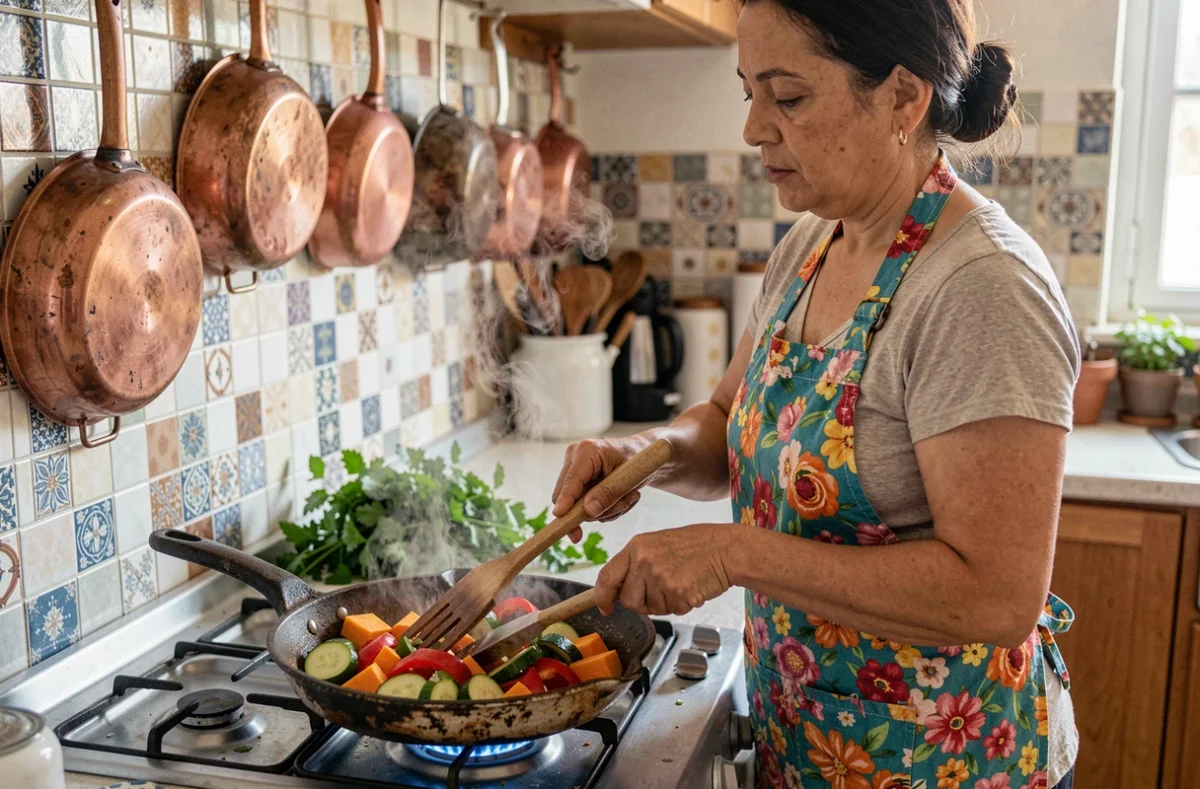
The problem is that frying profoundly alters the caloric profile of the vegetables. A piece of grilled zucchini and a piece of fried zucchini do not have the same energy contribution at all. The amount of oil absorbed directly depends on the temperature of the frying oil and the size of the pieces.
According to Cook’n’Geek, frying vegetables in small batches and allowing the temperature to rise between each batch significantly limits oil infiltration. A temperature that is too low turns frying into a warm oil bath, and the vegetables soak up fat instead of searing on the surface. We detail the benefits of kafteji on Monde Gourmandises, reminding that the vegetable base of the dish remains an asset, provided this cooking step is mastered.
In other words, kafteji is not healthy by default just because it contains vegetables. It is the preparation technique that determines whether the dish is balanced or too fatty.
Olive oil and cooking: which fat for a healthier kafteji
In Tunisia, olive oil is the reference fat. Its profile of monounsaturated fatty acids (omega 9) makes it a more interesting choice than hydrogenated vegetable oils or animal fats for high-temperature cooking.
Acıbadem Health Point specifies that the stability of the oil at heat depends on its quality and use. The points to watch are concrete:
- Do not overheat the oil beyond its smoke point, which degrades its protective compounds and generates undesirable substances
- Avoid reusing the same frying oil multiple times, as each use increases the formation of oxidized compounds
- Prefer extra virgin olive oil for moderate cooking, and reserve a clean frying bath for the vegetables of the kafteji
Changing the oil for each preparation significantly reduces the load of oxidized fats. In high-traffic eateries, this rule is rarely followed, which explains the nutritional gap between homemade kafteji and street kafteji.
Oven-baked kafteji recipe: a frying-free alternative
One can bypass the frying issue by roasting the vegetables in the oven. The version proposed by Nutridiet involves cutting the peppers, pumpkin, zucchini, and eggplant into cubes, seasoning them with a drizzle of olive oil, salt, and pepper, and then roasting them at low temperature before chopping.
The result is a drier kafteji, with a different texture from the classic version. The vegetables caramelize instead of frying, concentrating the flavors without adding fat. Oven cooking divides the amount of oil needed compared to traditional frying.
Feedback varies on this point: some find that oven-baked kafteji loses the crispiness and characteristic taste of the fried version. It’s a compromise between taste pleasure and caloric reduction. To compensate, one can add a drizzle of raw olive oil at the time of serving, which preserves the polyphenols without degrading them with heat.
The role of eggs and caraway in the dish’s balance
The classic kafteji incorporates eggs, often poached or scrambled in the preparation. They provide complete proteins that transform a vegetable side into a complete dish. One egg per person is enough to balance the protein/carbohydrate/fat ratio of the meal.
Caraway, a spice systematically associated with Tunisian kafteji, does not just play an aromatic role. This seed is traditionally used to aid digestion, which explains its presence in a dish rich in fiber and fat.
Potatoes in kafteji: an addition that changes the dish’s profile
Many recipes include fried potatoes in the kafteji. This addition changes the game. The potato absorbs more oil than the other vegetables in the dish, and it adds a carbohydrate load that zucchini or peppers do not have.
Removing or reducing the potatoes significantly lightens the kafteji without altering its taste. They can be replaced with a more generous portion of pumpkin, which provides a comparable melting texture with a lower glycemic index.
The basic kafteji, without potatoes and with controlled frying, remains a dish with high nutritional density. Several vegetables of different colors on the same plate ensure a wide spectrum of vitamins and antioxidants.
Kafteji and daily diet: portion and accompaniment
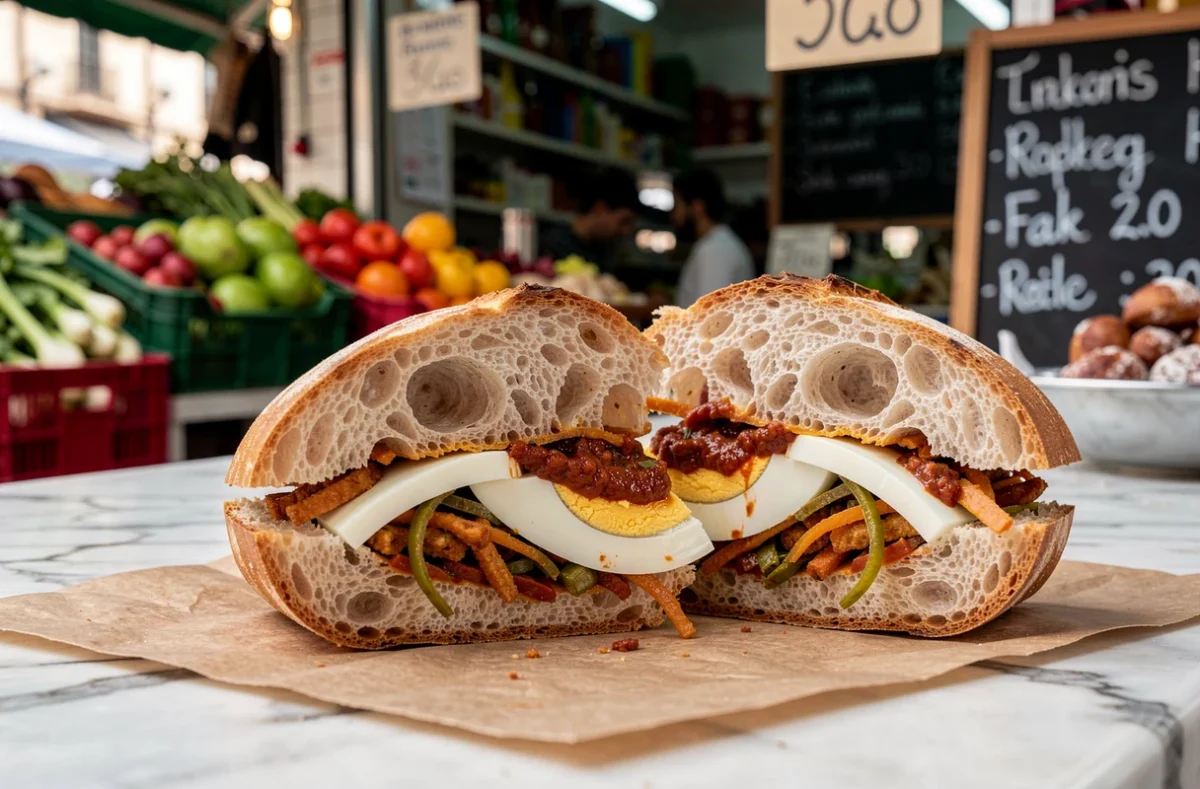
A kafteji served with half a baguette of white bread and a generous amount of harissa does not produce the same metabolic effect as a kafteji accompanied by a piece of whole grain bread and a salad. The accompaniment weighs as much as the recipe itself in the balance of the meal.
In practice, it is observed that kafteji works well as a standalone dish if the portion of vegetables overwhelmingly dominates. When bread or potatoes take precedence, it shifts towards an unbalanced meal in carbohydrates and fats.
Kafteji is a dish whose nutritional potential depends almost entirely on the person preparing it. Eggs, olive oil, caraway: all the ingredients of a healthy meal are present.
What makes the difference is the cooking method, the choice of fat, and the portion size. A well-executed kafteji, with short frying at the right temperature or oven cooking, deserves its reputation as a balanced dish.